Column · @getsevastopolstationtalk
Mastering the Sevastopol Station Walkthrough in Alien Isolation
A Survival Horror Test Like No Other
When I first booted up Alien Isolation on Nightmare difficulty, I thought I knew what I was getting into. I had played through the game on Hard before, survived the dark corridors of Sevastopol Station, and felt confident in my ability to navigate the terror. But Nightmare difficulty strips away every safety net. The alien learns faster, resources are scarce, and one mistake ends your run. That is why a well-planned sevastopol station walkthrough becomes essential for anyone attempting this brutal challenge.
The Sevastopol Station is a character in itself. Designed by the fictional Seegson Communications, it feels like a real, lived-in space station that has fallen into disrepair. The flickering lights, the groaning metal, and the ambient sounds all contribute to an immersive survival horror atmosphere. Playing in 4K resolution makes every detail pop, from the grimy windows to the blood smears on the walls. It is a world you can almost smell, and that sensory richness is part of what makes the game so effective.
Why Nightmare Difficulty Changes Everything
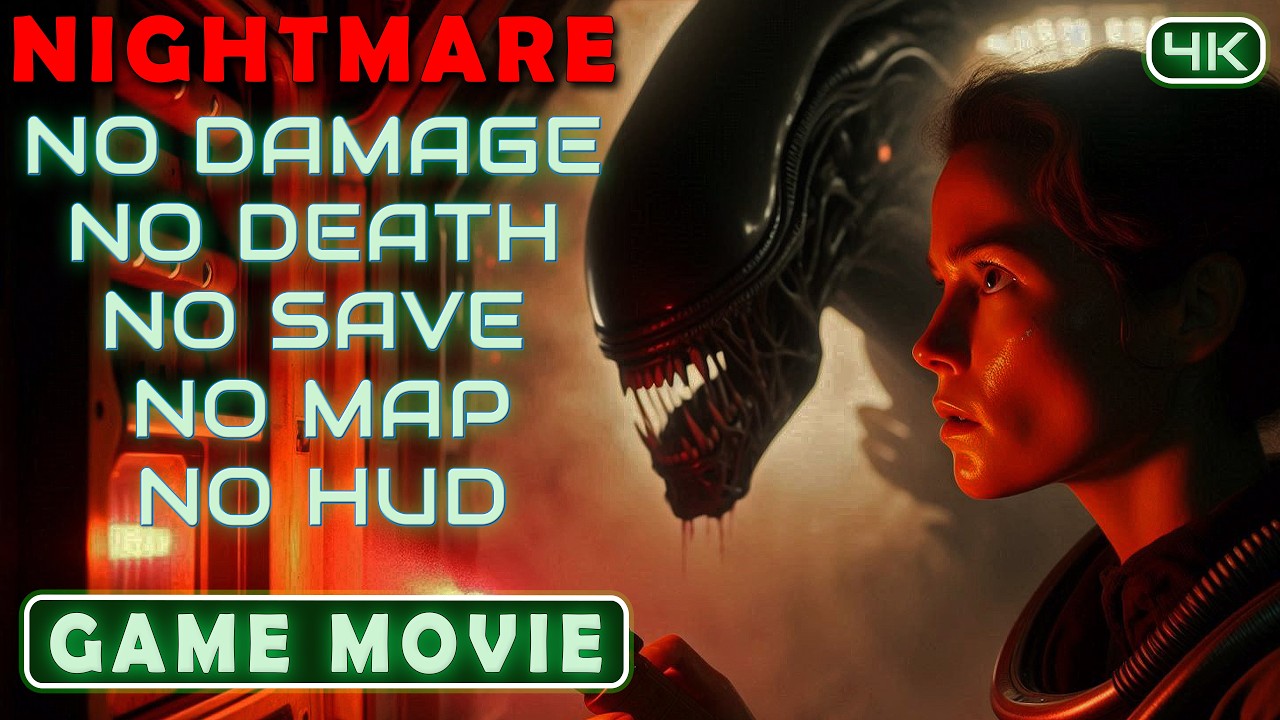
Nightmare difficulty is not for everyone. It demands a no damage, no death, no save approach if you want to complete the game with any sense of mastery. I have seen players attempt this and give up after the first hour. The alien patrols are relentless, and you cannot rely on hiding in lockers forever. You need to learn the patrol routes, conserve your torch battery, and know when to sprint and when to walk. A sevastopol station walkthrough that covers these elements can save you hours of frustration.
On this difficulty, every encounter with a facehugger becomes a potential run-ender. These creatures are fast and silent, and they can kill you in seconds if you are not prepared. The same goes for the Working Joes, the androids that patrol certain sections. They are tough, and on Nightmare they hit harder. You learn to avoid combat whenever possible. The game rewards patience and observation, not aggression.
The Art of the No-Commentary Playthrough
Watching a no-commentary playthrough of Alien Isolation on Nightmare difficulty is a unique experience. Without commentary, you get the full atmospheric impact of the game. The sound design is phenomenal, from the distant screams to the hiss of the vents. A cinematic no-commentary run, especially in 4K resolution, lets you appreciate the art direction and the tension-building without distraction.
I have seen many players try to rush through sections, only to trigger the alien and die. A good sevastopol station walkthrough teaches you the rhythm of the game. For example, in the Medical Ward, you can avoid the alien entirely if you know the correct path and timing. The same applies to the transit system and the reactor core. These areas are mazes of corridors and rooms, and memorizing them is key to a successful no damage run.
Tools of the Trade: Torch, Motion Tracker, and Patience
Your torch is more than a light source. It is a tool for survival. On Nightmare, you cannot leave it on all the time because it drains battery and attracts attention. You learn to flick it on and off, using the brief illumination to check corners and then plunging back into darkness. The motion tracker is your best friend, but it also makes noise. Using it too much can alert the alien to your location.
- Use the torch in short bursts to conserve battery and stay hidden.
- Check the motion tracker only when you stop moving, not while walking.
- Hide in lockers only as a last resort; the alien checks them often on Nightmare.
- Learn the sound cues; the alien makes a distinct noise when it drops from the vents.
- Plan your route between save points, but remember there are no saves in a true no save run.
These tips come from countless hours of trial and error. I have died more times than I can count, but each death taught me something new. The game is fair in its cruelty. Every mistake is your own fault, and that is what makes it so rewarding when you finally succeed.
The Role of Cinematic Presentation
Alien Isolation is a love letter to the Alien franchise. The design of Sevastopol Station echoes the Nostromo from the original film, and the retro-futuristic technology feels authentic. Playing without a HUD (no HUD) increases the immersion dramatically. You have to rely on your senses and the in-game cues to navigate. The health bar is gone, the ammo counter is gone, and the objective marker is gone. You are truly alone.
This is where the no-commentary playthrough shines. Without a HUD cluttering the screen, the 4K resolution artwork is unobstructed. You can see the cracks in the walls, the flickering monitors, and the subtle animations of the alien stalking you. It is a cinematic experience that rivals the films themselves. The lighting, the shadows, and the sound design combine to create a world that feels real and terrifying.
Facing the Alien and the Anesidora
The alien is not the only threat. The Anesidora, the ship that brought the crew to Sevastopol, holds its own dangers. The station is a labyrinth of interconnected modules, and you will spend a lot of time backtracking. This is where a solid mental map of Sevastopol Station is invaluable. Knowing which doors are locked, which elevators work, and where the vents lead can mean the difference between life and death.
One section that always gives players trouble is the transit system. The alien can drop in at any moment, and you have to navigate the train cars while staying quiet. The key is to move slowly and listen. If you hear the alien hissing, freeze. Do not even breathe. Eventually, it will move on, and you can continue. This patience is hard to maintain after hours of tension, but it is essential.
Practical Tips for a Successful Run
If you are attempting a no damage, no death, no save run on Nightmare difficulty, here are some hard-earned lessons I can share:
- Memorize the alien's patrol routes in each major area. They are consistent and predictable once you understand them.
- Always have a backup plan. Know where the nearest hiding spot is, but also know when it is better to keep moving.
- Use the environment to your advantage. Windows can be broken to create diversions, but be aware that noise attracts the alien.
- Conserve your resources. Flamethrower fuel is precious; do not waste it on Working Joes when you can run past them.
- Take breaks. The stress of a no death run is real. I have made my worst mistakes when I was tired or frustrated.
These strategies have helped me survive runs that would have ended in disaster otherwise. The game rewards preparation and calmness under pressure. Panic is your worst enemy.
Why This Matters for Survival Horror Fans
Alien Isolation is widely regarded as one of the best survival horror games ever made. It respects the source material while forging its own identity. Playing on Nightmare difficulty with no HUD and no saves is the purest way to experience it. You are not just playing a game; you are living through a nightmare. The Sevastopol Station becomes your prison, and the alien is your warden.
I remember the first time I made it past the Seegson Communications lobby without taking damage. My heart was pounding, my hands were shaking, but I was alive. That feeling of triumph after overcoming such a daunting challenge is why I keep coming back to this game. It is a testament to the designers at Creative Assembly that a game this old still feels fresh and terrifying today.
Whether you are a veteran of the Alien franchise or a newcomer looking for a true test, I recommend trying this approach. Watch a few runs, study the maps, and then attempt your own sevastopol station walkthrough. You will fail, but you will learn. And when you finally succeed, you will have earned every second of that victory.
The journey through Sevastopol Station is not for the faint of heart. It is a gauntlet of terror, resource management, and split-second decision-making. But for those who persevere, the reward is an experience that stays with you long after the credits roll. The shuttle escape at the end feels like a genuine rescue, not a scripted event. You made it out. You survived. And that is the ultimate payoff.